Powerful, portable GSD 680 Dobsonian with 8" aperture and 1200mm focal length - a high resolution planetary telescope
Observing success from the very first night is ensured by the first-class optics and high quality fittings. This Dobsonian is an ideal telescope both for beginners and for more advanced amateur astronomers.
The benefits of the Deluxe version in a nutshell:
- high quality GSO mirror with 94% reflection - for a brighter image.
- robust metal OTA with excellent collimation stability.
- 2" Crayford with 1:10 micro-reduction for accurate focusing.
- main mirror ventilation for more rapid cool-down of the optics.
- new and innovative friction bearings with adjustable resistance for altitude adjustment.
- ball-bearing horizontal adjustment, allowing easy pointing at and tracking of objects.
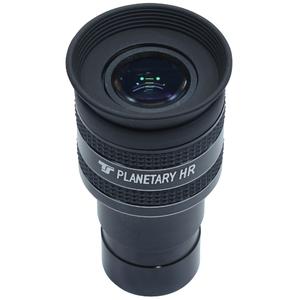
- extensively equipped - including 2", 30mm 'overview' eyepiece, 8x50 finder scope and 9mm super Ploessl eyepiece
Have more fun observing with a quality telescope from GSO. Observe the largest hurricane system known to man - the Great Red Spot on Jupiter. Observe the rings of Saturn and spot the Cassini division - which will give you some idea of the actual structure of Saturn's rings. Delight in the light gathering power of this high-quality parabolic mirror telescope, which even allows you to make out the spiral arms of galaxies or wisps of nebula in stellar nurseries.
Observing success is possible from the very first night, as the manufacturer has not only equipped the GS680 with a first class, diffraction-limited, optical system, but also with sound mechanics. That is why this telescope is also very suitable for beginners. It is also very simple to use. The high quality GSO optics can of course also deal with the highest range of magnifications, ensuring excellent performance when observing the Moon and planets. Enjoy high-resolution observing, limited only in practice by the current 'seeing' conditions.
GSO 2" Crayford focuser - the focuser is clearly superior to simple rack and pinion focusers.
- no 'wobbling' when focusing (image shift)
- can take heavier loads - up to 3kg
- 1:10 micro-reduction for more accurate focusing
- compression ring clamp for 2" and 1.25" accessories, ensuring a safe grip and precise alignment along the optical axis
GSO Dobsonian elevation axis bearings - a new and more effective solution has been found for the elevation. A robust steel axle carries the entire weight of the OTA. Moving the elevation setting takes place on two CNC-machined faces - ensuring precision and no lateral slip. In addition, you can adjust the resistance via a large thumbscrew on each side - from ultra-light to stiff. This allows you to stop the instrument moving around in high winds for example.
Setting up the counterweights - you can precisely adjust the balance of the Dobsonian. If you want to swap a 8x50 finder scope for using a much lighter red dot finder, or if you want to use a heavy bino-viewer in place of a lighter eyepiece, then no problem! - simply adjust the position of the elevation bearing wheel in the rocker box - a precise scale ensures that you can set each side to the same position.
Roller bearings for horizontal adjustment - the simple Teflon bearings, used previously for this by the manufacturer, could cause severe maladjustment, and when the telescope was directed toward the zenith, the adjustment lever was so badly placed that fine adjustment was almost impossible.
The modern industrial roller-bearings now employed allow precision adjustment. The bearings have upper and lower metal plates which prevent any scoring of the soft laminate and ensure adjustment remains smooth, even after many years of use.
It not only matters which telescope you buy but also where you buy it. Our additional services:
- We are a leading telescope dealer and know the devices we sell. Our customer service team will gladly help you after your purchase if you have problems with assembly or operation.
- We provide a copy of the 80-page Telescope ABC beginners handbook with every telescope.